
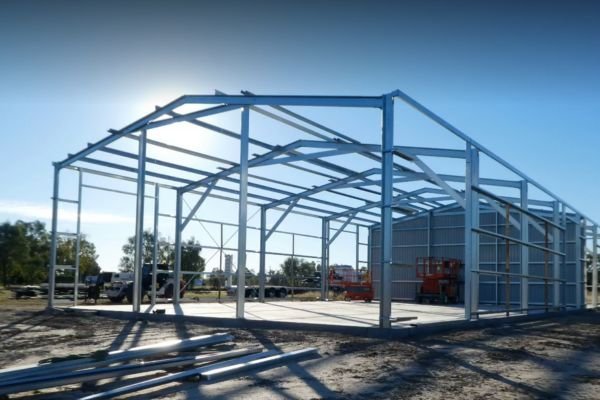
Why Shed Standards Matter for Homeowners
A shed is more than just extra storage—it’s a structural investment. When your shed is over 100m², councils treat it as a Class 10a building, which means it must comply with strict national codes. Meeting standards ensures:
- Safety during storms, fires, or heavy use
- Legal compliance with local building authorities
- Long-term durability and protection for your assets
Failing to follow regulations can lead to fines, rejected permits, or worse—unsafe structures that put people and property at risk.
The NCC 2025 and Its Impact on Sheds Over 100m²
The NCC 2025 brings tighter requirements for energy efficiency, structural integrity, and climate resilience. For sheds over 100m², the changes include:
- Stricter wind loading and cyclone resistance
- More precise bushfire risk assessments (BAL ratings)
- Updated engineering documentation requirements
- Clearer rules for energy-efficient construction
Your shed design must now be backed by registered engineering calculations and full documentation before council approval.
Engineering & Structural Integrity Requirements
Large sheds must be designed with structural integrity in mind. This means:
- Certified structural steel framing
- Adequate foundations suited to your soil type
- Load-bearing design for snow, wind, and roof span
- Professional engineering sign-off
DIY shed kits often don’t meet NCC requirements for larger structures. Partnering with an experienced shed builder ensures compliance and a shed that stands the test of time.
Bushfire, Wind & Cyclone Ratings Explained
Australia’s harsh environment demands sheds that can withstand local risks. Under the updated standards:
- Soil classification – Determines slab design and footings
- Terrain category – Influences wind load requirements
- Topography – Hills, ridges, and slopes increase exposure to wind
- Flood zones – May require raised slab or additional engineering
A shed that isn’t tailored to its site risks structural failure and non-compliance.
Building Approvals and Permits: What You Need to Know
For sheds over 100m², approval isn’t optional—it’s mandatory. You’ll typically need:
- Full engineering drawings
- Structural certification (Form 15/16 in QLD, similar in other states)
- Energy efficiency documentation (if applicable)
- BAL or wind load assessments
- Council approval before construction begins
Delays usually happen when documents are incomplete or don’t meet NCC standards. Working with an expert shed builder streamlines this process.
Choosing a Shed Builder Who Understands Compliance
Not all shed companies are equal. A compliant builder should provide:
- Engineering certificates for every project
- Experience with NCC 2025 and state regulations
- Transparent documentation for council submission
- BAL or wind load assessments
- A focus on safety, durability, and quality materials
At Design Build Sheds, we specialise in large-scale rural sheds that meet or exceed national standards—giving you peace of mind and long-term value.
Final Thoughts: Build Your Large Shed with Confidence
Building a shed over 100m² comes with more than just planning—it requires expertise, compliance, and careful engineering. With stricter NCC rules and environmental considerations, the safest way to protect your investment is to work with specialists who know the regulations inside out.
At Design Build Sheds, we handle every step—from engineering and permits to construction—ensuring your large shed is fully compliant, structurally sound, and built to last. Don’t risk delays or non-compliance: contact us today to discuss your project and get expert guidance tailored to your property. Your perfect, future-proof shed starts here.